
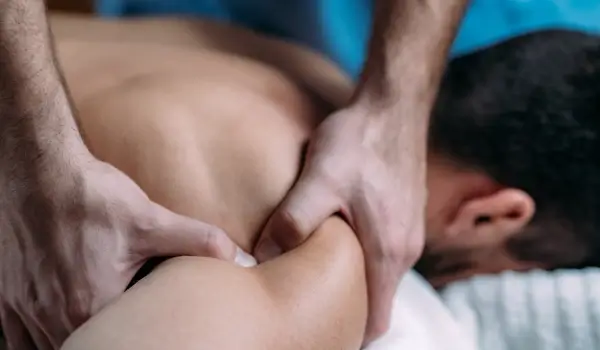
For athletes, recovery is not passive downtime. It is a crucial and active component of training that directly influences future performance. The body needs to repair muscle tissue, clear metabolic waste, and restore balance after intense exertion. Sports massage is a targeted therapeutic tool that accelerates this entire process. By addressing the specific physical effects of training, it helps athletes return to their peak condition more quickly and effectively.
Reducing Muscle Soreness and Inflammation
Intense exercise creates microscopic tears in muscle fibers. This natural process leads to Delayed Onset Muscle Soreness, or DOMS, and localized inflammation. Sports massage uses techniques like effleurage and petrissage to increase blood circulation to the worked areas. This enhanced blood flow delivers fresh oxygen and nutrients that are vital for tissue repair. It also helps to flush out lactic acid and other metabolic byproducts that contribute to soreness and fatigue. By managing this inflammation and promoting efficient circulation, massage can significantly reduce recovery time between tough workouts or competitions.
Restoring Range of Motion and Flexibility
During training, muscles and the surrounding connective fascia can become tight and adhered. This restricts flexibility and limits an athlete’s full range of motion, which can hinder performance and increase injury risk. Sports massage therapists use deep tissue techniques and assisted stretching to break down these adhesions and release chronic muscle tension. This process restores the natural glide between muscle layers and improves the elasticity of the soft tissues. The result is smoother, more fluid movement and greater flexibility, which are essential for both power and injury prevention.
Enhancing the Mind Body Connection for Future Performance
The benefits of sports massage extend beyond physical repair to neurological recovery. The focused pressure and rhythmic movements help downregulate the nervous system. This shift out of a stressed sympathetic state into a relaxed parasympathetic state lowers cortisol levels and promotes a sense of overall well being. Furthermore, the hands on work heightens proprioception, which is the body’s awareness of its position in space. This improved mind body connection allows athletes to move with greater technical precision and control in their next session, turning recovery into a foundation for better performance.
Integrating sports massage into a regular training regimen is a strategic move for any serious athlete. It is a proactive treatment that directly targets the mechanisms of fatigue and strain. By speeding up physiological repair, improving functional movement, and supporting neurological balance, it ensures athletes can train harder, more consistently, and with a lower risk of injury. In the pursuit of excellence, efficient recovery is everything, and sports massage is a powerful tool to achieve it.