
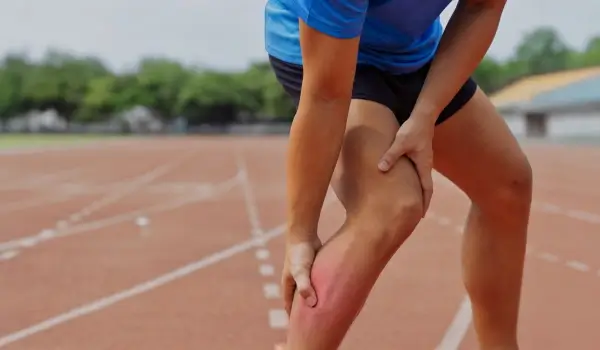
Overuse injuries are among the most common setbacks athletes face, often developing gradually from repetitive movements and accumulated stress on muscles, tendons, and joints. Unlike acute injuries from a single traumatic event, overuse injuries sneak up on you—starting as minor discomfort before escalating into conditions that sideline your training. Sports massage serves as a powerful preventive tool, addressing the underlying issues before they become serious problems.
Identifying Problem Areas Early
One of the most valuable aspects of regular sports massage is early detection. A skilled therapist can identify areas of tension, restricted tissue mobility, and developing trigger points long before you notice significant pain. These subtle changes often indicate muscles working harder than they should, compensating for imbalances elsewhere in your body. By catching these warning signs early, you can address issues through targeted treatment and training modifications before they progress to injury.
Relieving Muscle Tension and Imbalances
Repetitive training creates predictable patterns of tightness. Runners develop tight hip flexors and hamstrings, swimmers experience shoulder restrictions, and cyclists battle quadricep dominance. These imbalances force certain muscles to work overtime while others weaken, creating a recipe for overuse injuries. Sports massage releases chronic tension, restores balance between muscle groups, and ensures your body distributes workload evenly during activity.
Improving Tissue Quality and Flexibility
Consistent training without adequate recovery leads to fibrotic changes in muscle tissue—areas that become dense, less elastic, and prone to strain. Regular massage maintains tissue quality by breaking up adhesions and promoting proper collagen alignment as muscles repair. This keeps tissues supple and resilient, able to handle the demands you place on them without breaking down.
Enhancing Circulation and Recovery
Overuse injuries often develop when recovery doesn’t keep pace with training stress. Sports massage accelerates the recovery process by increasing blood flow to working muscles, delivering nutrients needed for repair while removing metabolic waste. This enhanced circulation helps tissues recover fully between training sessions, preventing the accumulated fatigue that leads to breakdown.
Supporting Your Training Load
When integrated into your regular routine, sports massage becomes an essential component of injury prevention strategy. Most athletes benefit from sessions every two to four weeks during heavy training periods, with frequency adjusted based on volume and intensity. Combined with proper programming, adequate rest, and smart load management, sports massage helps you train consistently while staying healthy.
Prevention is always more effective than rehabilitation. By investing in regular sports massage, you protect your body from the cumulative damage of training and ensure long-term athletic success.