
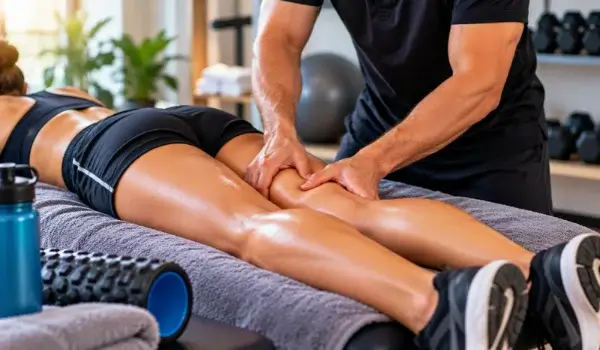
That deep, achy feeling that shows up a day or two after a tough workout is familiar to anyone who trains. Known as delayed onset muscle soreness, it is a normal part of pushing your body, but it can slow you down. Sports massage is a popular tool for easing that discomfort. Here is how sports massage helps reduce post workout soreness.
Understanding Post Workout Soreness
When you challenge your muscles with exercise, tiny stresses build up in the tissue, leading to the soreness and stiffness you feel afterward. This is a natural part of how muscles adapt and grow stronger. While the soreness fades on its own, supporting your recovery can help you feel better and get back to training sooner.
Easing Muscle Tension
Hard training leaves muscles tight and worked. Sports massage helps those muscles relax and release, easing the stiffness that comes with soreness. By loosening tense tissue, massage can make that achy, locked-up feeling more manageable in the days after a demanding session.
Supporting Circulation and Recovery
Sports massage promotes blood flow to the muscles being worked on. Better circulation delivers oxygen and nutrients to tired tissue while supporting the body’s natural recovery process. This boost in circulation is a big reason athletes turn to massage to help their bodies bounce back after exercise.
Timing It Right
When you get a sports massage matters. A session in the day or two after a hard effort can help ease soreness as your body recovers. Avoid intense, deep work immediately before a big event, since that can leave you tender. Fitting massage thoughtfully into your routine helps you get the most benefit.
Part of a Smart Recovery Routine
Massage works best alongside other recovery habits like proper hydration, good nutrition, quality sleep, and gentle movement. Together, these support your body through the demands of training. If soreness is severe or does not improve, check in with your healthcare provider.
A Final Thought
Sports massage can be a valuable way to ease post workout soreness, supporting your muscles so you can train consistently. Pair it with smart recovery habits, listen to your body, and give yourself the support you need to keep performing.